
Commercial Roofing
Commercial Roofing in Fort Worth
Low-slope and flat systems for business property across Fort Worth and Tarrant County, sequenced around your operating hours.
Insured crews · Condition survey mapped and written up · Repair, coat, recover and replace priced side by side
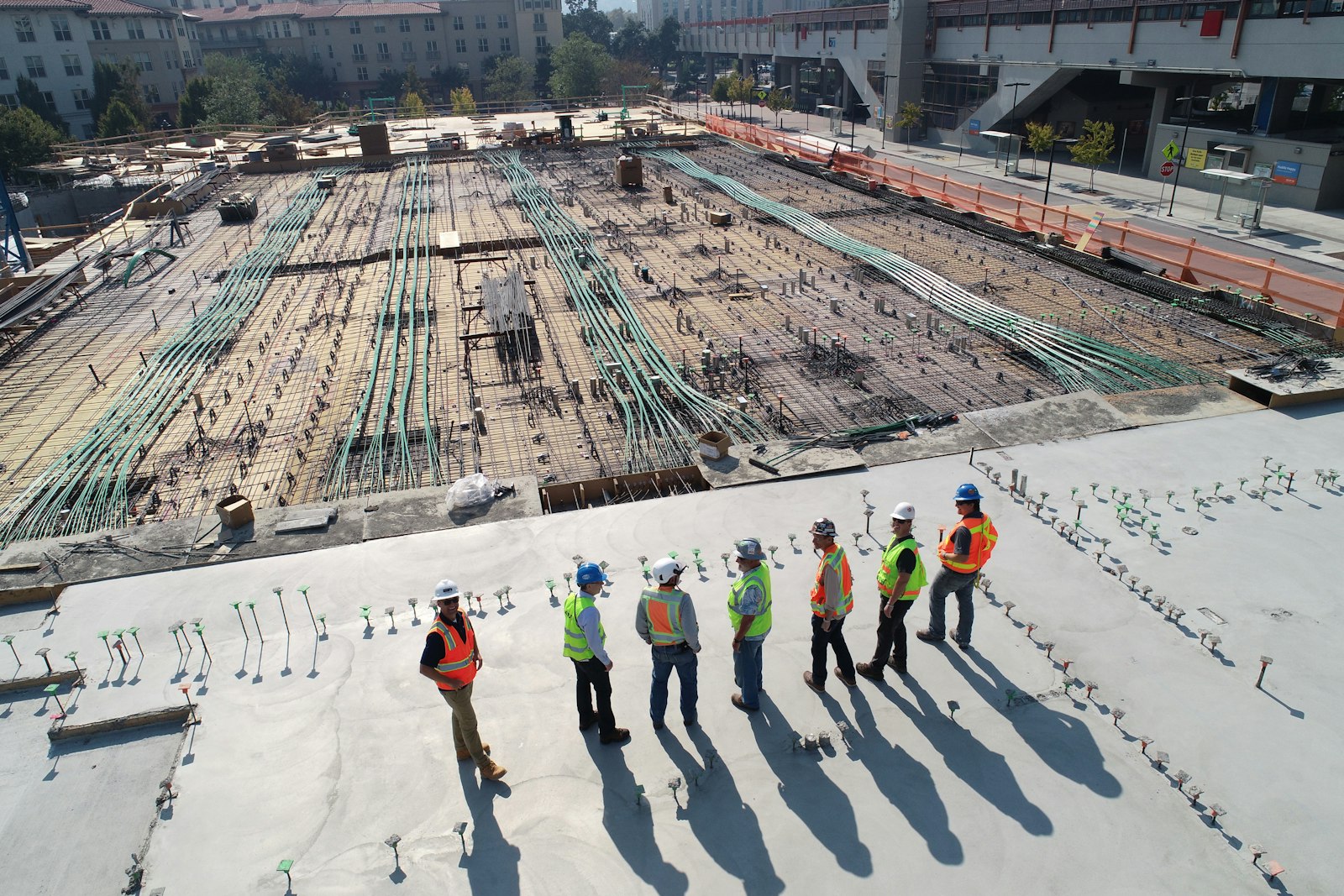
Low-Slope Roofing for Fort Worth Business Property
Commercial roofing in Fort Worth is the part of this trade that competitor sites treat as an afterthought, usually one thin page and a stock photograph. Roofing Fort Worth Pros works low-slope property properly: retail strips along the I-20 and I-30 corridors, light industrial buildings around Alliance, churches, medical suites and small office buildings across the county.
The systems involved are different from residential in every meaningful way. Drainage is designed rather than gravitational, the membrane matters more than the covering, mechanical units and penetrations multiply the failure points, and the work has to happen without shutting tenants or staff down.
Our assessments cover the field, the seams, the terminations, the drains and scuppers, and the curb flashing around every unit, and the report goes to whoever has to justify the spend, which is usually not the person who called us.
What Commercial Work Covers
Each line is scoped and priced on its own so the options can be compared rather than taken on trust.
- TPO single-ply membrane systemsMechanically attached or fully adhered white membrane, hot-air welded at the seams, with the reflective surface earning its keep through a Texas summer of cooling load.
- Modified bitumen systemsTorch, cold-adhered or self-adhered modified sheets for buildings where a multi-ply redundant assembly is the right answer, particularly on roofs with heavy foot traffic.
- Restoration and reflective coatingsSilicone and acrylic coating systems that extend the life of a sound but ageing membrane at a fraction of a full replacement, where the substrate genuinely supports it.
- Seam, termination and detail repairFailed welds, lifted terminations, loose bar detail and pitch-pan failures, which is where low-slope roofs leak far more often than in the open field.
- Drain, scupper and overflow workClearing, reflashing and correcting drains and scuppers, plus checking that overflow provision actually exists, since ponding is the fastest way to destroy a membrane.
- Curb and penetration flashing around mechanical unitsHVAC curbs, conduit, gas lines, exhaust fans and vent stacks each get inspected and reflashed properly rather than caulked.
- Ponding and slope correctionIdentifying where water is standing and addressing it with tapered insulation or drainage correction instead of coating over a low spot and calling it done.
- Core sampling and moisture survey where warrantedOn larger or older roofs, establishing whether the insulation beneath is saturated, because a recover over wet insulation is money thrown away.
- Phased scheduling around operating hoursWork sequenced so trading, services and tenants continue. Night and weekend phases where that is what the building requires.
- Written scope, itemized, in a form you can take upstairsLine-item pricing with the assessment and photographs attached, built for an owner, a board or a facilities budget rather than a driveway handshake.
How a Commercial Job Runs
- 01
The building assessment
We walk the roof, document the membrane condition, seams, terminations, drains, scuppers and every curb and penetration, and photograph the findings. Where the roof age or condition warrants it we discuss core sampling to establish whether the insulation is wet. Expect a longer visit than a residential inspection, scaled to the square footage.
- 02
Options, priced separately
Most commercial roofs have more than one legitimate path: repair the failing details, coat and restore a sound membrane, recover, or tear off and replace. We price the realistic options side by side with the expected service life of each, so the decision can be made on value rather than on a single number.
- 03
Phased execution
Once a scope is approved we agree the phasing, access, staging and any night or weekend requirement in writing. Work proceeds section by section so the building stays operational, each phase is closed watertight before the crew leaves for the day, and close-out includes the documentation and the separately stated workmanship warranty.
Why Building Owners Keep Us on the List
Options rather than a single recommendation
A contractor who only ever recommends a full replacement is not assessing the building, they are selling a product. Coating a sound membrane is sometimes the right call and it is a much smaller invoice, and we will put that option on the page next to the others.
Work that does not close your doors
Retail and medical tenants cannot lose days. Phasing, access routing and night work are settled before mobilization, in writing, so nobody discovers the disruption on the morning it starts.
A scope built to be approved
Whoever signs the cheque usually was not on the roof. The assessment, photographs and itemized pricing are assembled so they can be forwarded to an owner, a board or a regional facilities manager and make sense without you translating them.
- Insured crews
- Free building assessment
- Photographed condition report
- Options priced side by side
- Phased scheduling around operations
- Line-item written scope
Get the Building Looked At Before the Next Wet Season
Low-slope roofs rarely fail suddenly. They fail at a seam or a curb that has been moving for two years, and the interior damage arrives long after the point where the repair was cheap. Have the membrane, the terminations and the drains assessed and get the options priced against each other.
Book a commercial assessment — (817) 369-3918